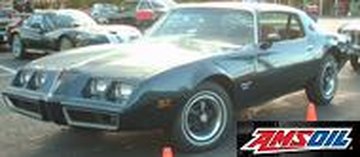
Engine Lubrication and Maintenance for the 1981 Pontiac FIREBIRD 5.0L
Maintaining a classic performance vehicle like the 1981 Pontiac FIREBIRD requires a disciplined approach to routine service. For those owning the 5.0L engine variant, consistent attention to lubrication systems is a fundamental aspect of preserving mechanical integrity. Because older engines operate under different thermal and physical stresses than modern counterparts, understanding how to monitor and manage fluid health is essential for long-term ownership.
Monitoring Fluid Integrity and Potential Leaks
One of the most effective ways to monitor the health of a 5.0L engine is through regular visual inspections of the engine bay and undercarriage. Over time, various components can experience changes in their ability to maintain a perfect seal. Rather than assuming a component has failed, owners should look for evidence of seepage or active leaks.
When performing routine checks, pay close attention to the following areas:
- Sealing Surfaces: Inspect various gaskets and seals for signs of age-related weeping or moisture. Even a small amount of oil residue on an engine component can indicate that a seal is beginning to lose its effectiveness.
- Drain Areas: Check the area around the oil drain plug and the filter mounting surface for any signs of recent fluid movement.
- External Components: Look for wetness around various engine junctions or where hoses meet metal surfaces, if present.
If you notice a change in the appearance of the ground beneath the vehicle or observe fresh fluid accumulating on engine parts, it warrants an investigation. It is important to remember that many symptoms, such as a small puddle or a slight odor, can have multiple causes and do not always point to a single specific part failure.
Observing Changes in Lubricant Condition
The condition of the engine oil itself provides significant insight into how the engine is operating. Beyond just checking levels, an owner should periodically examine the physical characteristics of the lubricant. A sudden change in color, consistency, or smell can be a useful indicator that something requires attention.
For example, if the oil appears excessively dark or contains visible particulate matter, it may indicate that the service interval has been exceeded or that the filtration process is being challenged. Similarly, any unusual odors coming from the crankcase area should be investigated. While some odors can be attributed to external factors like heat from the exhaust, they can also be associated with internal changes in the lubricant.
If you notice an unusual increase in how often the oil level needs to be topped off, this is a signal to inspect the vehicle more closely. Changes in consumption patterns are often better addressed through proactive inspection rather than waiting for a warning light or mechanical noise to occur.
Prioritizing Long-Term Engine Care
As vehicles age, maintenance strategies often shift from purely reactive repairs to more structured preventive monitoring. For a 1981 Pontiac FIREBIRD, establishing a baseline of how the vehicle behaves under normal operating conditions is highly beneficial. If you do not have a complete service history for the vehicle, your first priority should be to document current fluid levels, consumption rates, and any observed leaks.
Effective long-term ownership involves distinguishing between necessary preventive maintenance and unnecessary parts replacement. Instead of replacing components based solely on their age, focus on the actual condition of the materials. For instance, if an accessible belt or hose appears to be in excellent condition without signs of cracking, glazing, or fraying, there is no immediate need for replacement. Conversely, if you observe deterioration in these components, they should be addressed before they lead to a service interruption.
Keeping a detailed log of every oil change, filter replacement, and fluid inspection allows you to identify trends. For example, if you notice that the engine requires more frequent lubrication than it did a year ago, your records will help you determine exactly when that trend began, making it much easier to diagnose the underlying cause.
Managing Aging Engine Components
When maintaining an older 5.0L engine, it is wise to be observant of all age-sensitive materials. This includes not just the lubrication system, but also the various auxiliary systems that support engine operation. If equipped, inspect accessible drive belts for signs of wear such as surface cracking or fraying. Similarly, if the vehicle is equipped with various rubber hoses, check them for excessive softness, hardening, or visible leaks at the connection points.
Electrical connections and wiring harnesses should also be inspected periodically. Over several decades, heat cycles and vibration can affect the integrity of connectors. Ensuring that electrical paths remain clean and secure helps prevent erratic sensor readings or ignition issues. By focusing on these gradual changes in material condition, you can address minor issues before they escalate into more significant mechanical concerns.
Effective Maintenance Decision-Making
A successful maintenance approach is one that is driven by the current state of the vehicle rather than guesswork. When faced with a potential issue, such as a small seepage or an unusual sound, the best course of action is to gather as much information as possible through visual and auditory inspection. Avoid jumping to conclusions about which specific seal or component has failed; instead, use these observations to guide a more thorough professional diagnosis if necessary.
Prioritize your maintenance tasks by addressing active concerns first. An active leak or a significant change in fluid behavior should always take precedence over general cosmetic or non-essential upkeep. This ensures that the most critical aspects of engine health are managed continuously, providing a foundation for the vehicle's continued operation.
Buying Engine Oil for your 1981 Pontiac FIREBIRD 5.0L
When it is time to replenish your engine's lubrication, the most important step is to ensure the product you select matches the specific requirements of your engine. Because different engines have unique needs regarding additive packages and base oils, you should never rely on general automotive knowledge or assumptions based on the vehicle's age.
To ensure proper protection and performance, match the engine oil to the application-specific viscosity information already displayed on this webpage. When shopping for products, follow these practical steps:
- Verify the Label: Always check the product packaging to confirm that the SAE viscosity grade matches what is listed in your vehicle's application data.
- Consider Formulations: Depending on your specific needs and the current condition of your engine, you may choose between conventional, synthetic blend, or full synthetic oils. Some high-mileage oil formulations also contain additives intended for use in aging engines, including seal-conditioning additives.
- Check Certifications: Look for appropriate API certifications on the bottle to ensure the oil meets modern quality and performance standards.
By strictly adhering to the viscosity and application details provided in the technical specifications above, you can make an informed purchase that supports the ongoing health of your 5.0L engine.